According to a report from the UK's Office for National Statistics, one in three UK workers are currently working from home. The huge size of employees doing remote work remains to be a major concern for the IT security teams of different companies worldwide.
Similarly, Gallup’s survey shows that one in three US workers who are also based exclusively at home may face a similar risk. Despite this concern, studies show that many companies treat the issue lightly.
According to a recent survey by legal firm Hayes Connor Solicitors, one in five UK employees working from home has not received any cybersecurity training.
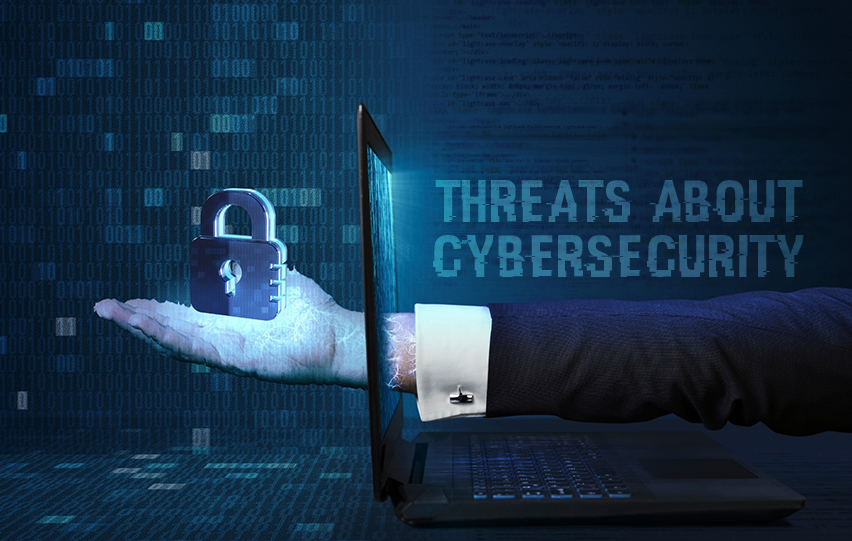
Additionally, another UK survey last year revealed that 57 percent of IT policymakers expect their business would be exposed to the possibility of a data breach by remote employees.
"In the rush and panic to set remote working practices up, even simple data protection practices were ignored," says Christine Sabino, a senior associate at Hayes Connor.
She also says, "Companies did not provide additional security relating to computers, electronic communication, phone communication."
Given this problem, there are solutions firms and home-based workers can do to keep things as secure as possible.
Ted Harrington, a cyber-security expert based in San Diego, and author of Hackable: How To Do Application Security Correctly, says businesses should have begun by offering a dedicated work laptop to all home staff.
Although this may well have been achieved by many larger businesses, not all smaller firms can automatically do so. But, Mr. Harrington emphasizes its significance.
"Supply staff with laptops and other equipment that are owned, controlled, and configured by the company," Mr. Harrington says. "This alleviates the burden on your people to set things up right, and ensures they follow the security controls the company wants."
He also mentions the next step companies must do which is to set up a VPN or virtual private network. This allows remote computers to have encrypted and secure connections with the company's servers and every worker in the company.
Moreover, Mr. Harrington says that it is important for companies to have appropriate cyber-security training for their workers.
"Engaging with their firm's IT/cyber-security experts is crucial," says Tsedal Neeley, a professor of business administration from Harvard Business School who is an expert on remote working. She states that home workers should know exactly to whom they should report cyber-security problems.
Everyone must be cautious in the cyber world. Workers should consult with IT experts if they notice anything suspicious.